
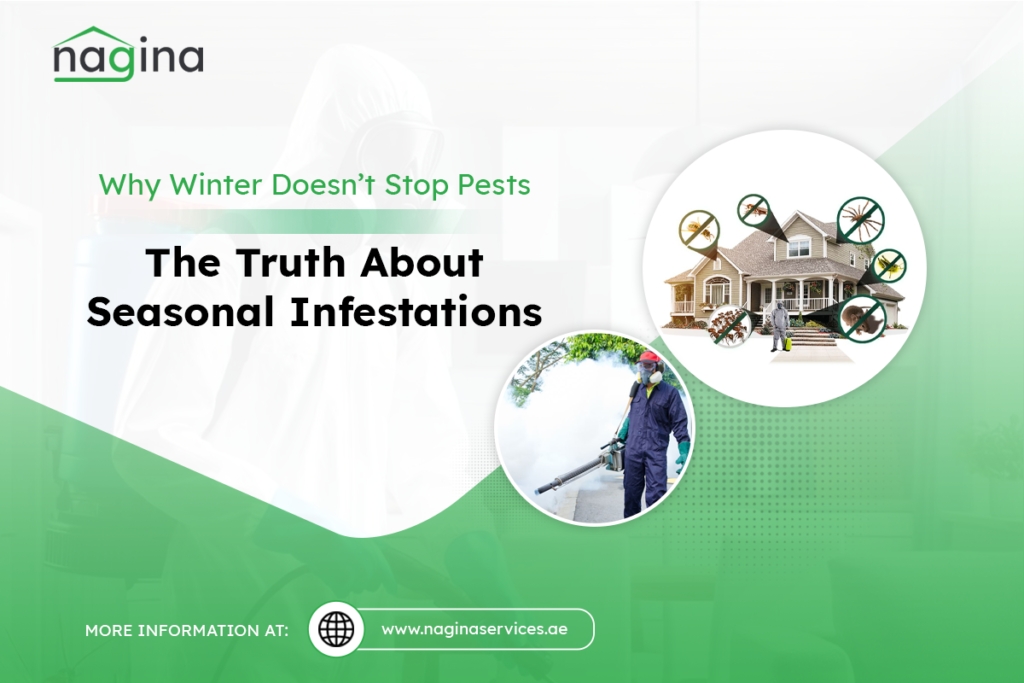
Most people consider winter to be a time when pests disappear. The cold climate creates the perception that insects, rodents, and different undesirable intruders die off or stay hidden until spring. But the truth is quite different. Winter does no longer prevent pests—in many cases; it makes infestations worse. As temperatures drop, pests search for heat, secure, and food-rich environments, and your property or workplace turns into the perfect shelter. Information on how pests behave in wintry weather is critical for defending your own home from seasonal invasions.
Why Pests Stay Active in Winter
Even in the coldest months, pests discover ways to live on. In preference to loss of life out, they change their behavior and are looking for indoor environments that provide warmth and sources. This shift increases the probabilities of winter infestations.
Here are the main motives pests remain active:
- Warm Indoor Environments: Homes provide the suitable temperature pests need to live to tell the tale.
- Easy Access to Meals: Kitchens, storage areas, and waste boxes to entice hungry pests.
- Hidden Entry Points: Small cracks, gaps, and vents permit pests to slide in unnoticed.
- Sheltered Nesting Spaces: Pests look for secure locations to cover, reproduce, and build colonies.
Common Winter Pests You Should Watch Out For
A few pests might decrease outdoor activity, but many emerge as a more competitive interior. The subsequent are the top pests that trouble properties during winter:
-
Rodents (Rats & Mice)
Rodents are highly active in winter. As temperatures drop, they invade homes looking for shelter and meals. They can squeeze through tiny openings, damage wiring, chew through materials, and contaminate surfaces.
Cockroaches decide upon heat, wet environments. Winter pushes them into kitchens, bathrooms, and basements in which food and water resources are available. They reproduce quickly, making early detection crucial.
The winter travel season enables bed bugs to spread. Those pests don’t rely on temperature; they depend upon hosts for survival. Accommodations, public delivery, or even places of work turn out to be hotspots.
Unlike famous perceptions, termites no longer move dormant in wintry weather. Subterranean termites continue feeding underground and may still harm systems from inside. Hidden activity makes them specifically dangerous.
Spiders enter homes to escape the cold and find insects to feed on. While not usually dangerous, their presence indicates that other pests may also be hiding indoors.
Why Winter Infestations Are Hard to Detect
Winter pests live in hidden, warm regions, making them tough to identify. Places together with attics, wall voids, basements, garage rooms, and fake ceilings grow to be perfect hiding spots.
Some common signs and symptoms that pests are energetic consist of:
- Scratching sounds at the back of walls
- Droppings or pellet-like waste
- Gnaw marks on wires, wooden, or packaging
- Musty or uncommon odors
- Small holes or broken food packing containers
Ignoring these signs and symptoms permits pests to multiply silently and cause expensive damage.
How Winter Pests Affect Your Property
Seasonal pests do more than simply create inconvenience. They create severe health and safety risks:
- Rodents spread sicknesses and pose hearth risks with the aid of chewing electric wires.
- Cockroaches purpose hypersensitive reactions, bacterial infection, and asthma triggers.
- Termites weaken structural wood, leading to long-term economic loss.
- Bed bugs create discomfort, stress, and fast indoor infestation.
The impact may be both bodily and psychological, mainly in own family houses, hotels, offices, and commercial houses.
Smart Ways to Prevent Winter Pest Problems
Prevention is constantly higher than dealing with infestation. Small steps can make a large difference:
- Seal cracks, gaps, and openings round home windows, pipes, and doors.
- Keep kitchens and dining areas clean and free from food residue.
- Keep food in hermetic packing containers.
- Reduce indoor moisture to the use of right air flow.
- Dispose of garbage frequently and securely.
- Trim branches or flowers touching your building.
Professional inspection at some stages in winter is especially useful because it identifies hidden threat zones earlier than pests multiply.
Conclusion
Winter doesn’t prevent pests—it drives them indoors. Information about seasonal pest conduct helps you take well timed action and protect your own home from harm and health risks. For dependable winter pest safety, Nagina Pest Control offers expert inspections, safe treatments, and long-time period prevention solutions to keep your home or business pest-free all season.