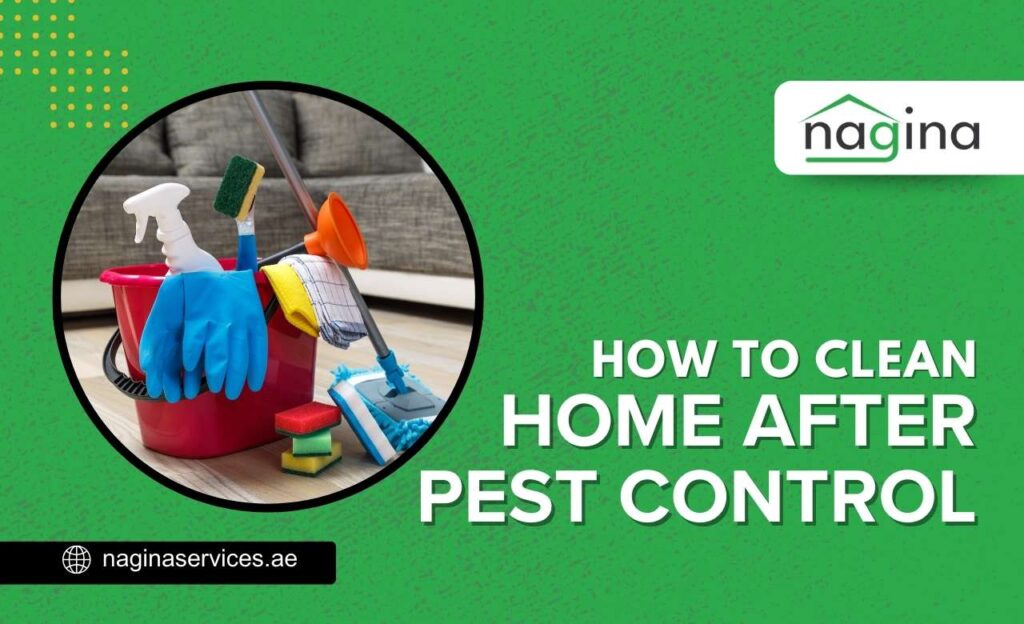
Pest control treatment is an important step toward creating a safer and healthier home. However, what you do after the treatment matters just as much as the treatment itself. Cleaning your home the right way helps maintain the effectiveness of pest control while ensuring your living space remains comfortable and hygienic.
In Dubai, where pest control services are commonly used due to climate conditions, many homeowners are unsure about when and how to clean after treatment. Knowing the right timing and method helps prevent common mistakes that may reduce the effectiveness of the treatment.
Why Post-Pest Control Cleaning Needs Care
After pest control, chemicals are applied strategically to target pests and their hiding areas. Cleaning too soon or incorrectly can remove these treatments before they have enough time to work.
Proper post-treatment care helps:
- Allow pest control products to remain effective
- Reduce unnecessary exposure to treated areas
- Maintain hygiene without disturbing treatment zones
- Prevent pests from returning too soon
The balance between cleaning and safety is key. Cleaning too aggressively can remove pest control treatments before they finish working, while not cleaning at all can affect comfort and hygiene. The goal is to clean smartly, following professional guidance, so your home stays safe, fresh, and protected at the same time.
Step-by-Step Guide to Cleaning After Pest Control
After pest control treatment, cleaning should be done in a careful and organized manner. Each stage plays a role in keeping the treatment effective while gradually restoring normal cleanliness inside the home.
Here are the steps below you can focus on maintaining hygiene without disturbing treated areas too soon:
Step 1: Follow the Waiting Period
Most pest control treatments require a waiting period before cleaning begins. This time allows the chemicals to settle and eliminate pests effectively.
In most cases:
- Avoid cleaning for at least 24 hours
- Follow the instructions given by the pest control technician
- Keep windows slightly open for ventilation if advised
Cleaning too early can reduce the effectiveness of the treatment by removing active pest control residues before they have enough time to work on hidden pests and their breeding areas.
Step 2: Ventilate the Home Properly
Once it is safe to re-enter, ventilation is important. Fresh air helps reduce odors and improve indoor comfort. Open windows and doors for a short time to allow airflow. This helps clear the air without disturbing treated surfaces.
Step 3: Clean Only High-Touch Areas First
Focus on areas that are touched frequently, such as dining tables, kitchen counters, and bathroom sinks. These surfaces should be wiped gently without using harsh chemicals.
Avoid scrubbing treated corners, wall edges, and hidden areas where pest control products may have been applied.
Step 4: Use Mild Cleaning Products
Harsh cleaners can remove pest control chemicals from treated surfaces. Use mild detergents or soap-based cleaners for routine cleaning. Avoid bleach or strong disinfectants on treated areas unless advised by professionals.
Step 5: Sweep and Mop Floors Carefully
Light sweeping and mopping are allowed after the recommended waiting period. Do not scrub edges, corners, or areas near walls.
This approach keeps floors clean while preserving the treatment in critical areas, allowing pest control products along edges and corners to continue working effectively without being disturbed.
Step 6: Resume Normal Cleaning Gradually
After a few days, normal cleaning routines can be resumed. At this stage, pest control products have already worked on active infestations. Gradually clean areas that were previously avoided, following any specific advice given by pest control professionals.
Step 7: Monitor for Pest Activity
After cleaning, continue monitoring your home for any signs of pest activity. Occasional sightings can occur as pests are eliminated. Report persistent activity to your pest control provider for follow-up if required.
In some cases, pests may appear briefly as they come into contact with treatment areas. This does not always indicate a failed treatment, but continued activity over several days should be noted and addressed.
Timely follow-up allows professionals to assess the situation, reinforce treatment if needed, and ensure the pest control process delivers complete and lasting results.
What to Clean and What to Avoid (Quick Reference Table)
| Area | What You Should Do | What to Avoid |
|---|---|---|
| Kitchen Surfaces | Wipe countertops and dining areas gently | Scrubbing corners and under cabinets |
| Bathrooms | Clean sinks and toilets carefully | Washing walls and hidden edges |
| Floors | Light mopping in open areas | Deep scrubbing near walls |
| Furniture | Dust visible surfaces | Washing treated areas immediately |
| Storage Areas | Organize items carefully | Cleaning behind the shelves too soon |
When Professional Cleaning Services Are Helpful
Post-pest control cleaning service in the UAE can feel overwhelming, especially in larger homes or after extensive treatment. Professional cleaning services understand how to clean safely without disturbing pest control applications.
Nagina Services provides professional cleaning services in Dubai that can be scheduled after pest control treatments. Their trained teams know which areas can be cleaned and which should be left untouched to ensure treatment remains effective.
Maintain a Pest-Free Home Long-Term
Combining pest control with proper cleaning habits is the best way to keep your home pest-free. When cleaning is done carefully and at the right time, pest control treatments can continue working as intended and provide longer-lasting results.
Regular attention to cleanliness after treatment helps reduce the chances of pests returning and keeps living areas comfortable for daily use. Simple, consistent habits play an important role in maintaining a balanced indoor environment.
Homes in Dubai can remain clean, safe, and pest-free year-round with the right cleaning approach, along with professional support when needed and thoughtful post-treatment care.