
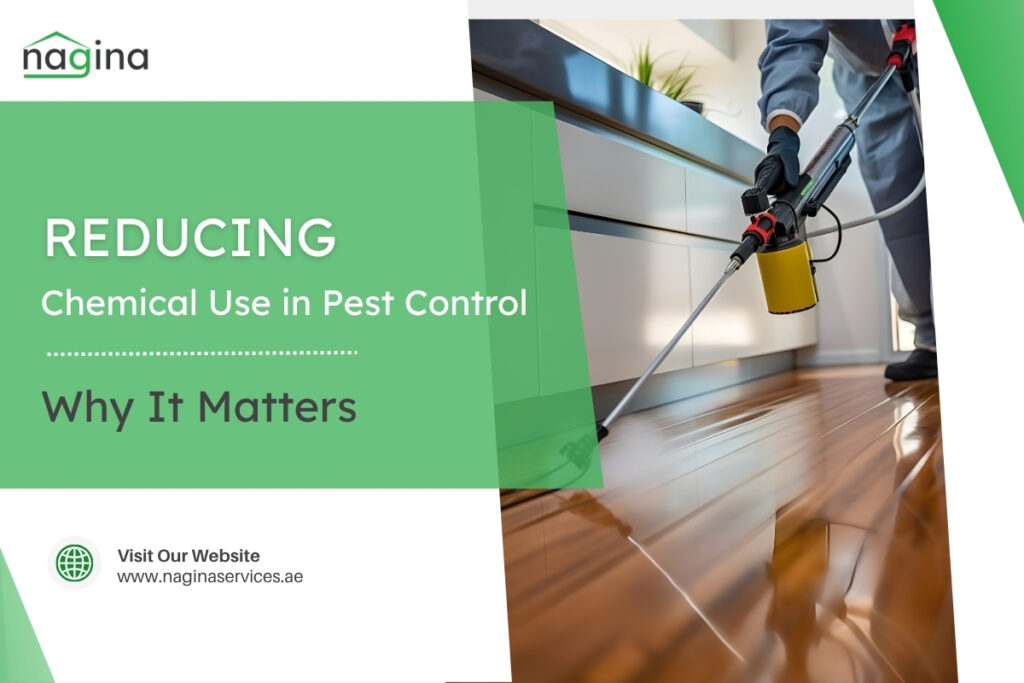
Pest control has usually performed an essential position in protective houses, businesses, and public spaces. For decades, chemical insecticides were taken into consideration as the quickest and most reliable solution for casting off pests. However, contemporary studies and international environmental developments have encouraged a shift closer to safer, more sustainable strategies. Nowadays, reducing chemical use in pest control isn’t just a desire—it’s far a necessity for long-time period fitness, environmental protection, and effective pest control.
Why Reducing Chemical Use Matters
Although chemical insecticides can assist in controlling bed bugs and rodents, heavy and repeated use brings numerous dangers. Information about those risks enables property owners to make knowledgeable selections.
Protecting Human Health
Many traditional pesticides comprise robust chemical compounds that can affect human beings living or running in dealt with spaces. Overexposure may additionally motivate complications, skin infection, allergies, or breathing issues. Children, elderly individuals, and pets are even more inclined. Reducing chemical use allows preserving healthier indoor air and a more secure living environment.
Safeguarding the Environment
While chemicals are sprayed often, they no longer continue to be in a single location. Rain, wind, and cleaning activities can cause them to unfold into soil, air, and water assets. This infection affects plants, the natural world, and useful insects together with bees, butterflies, and ladybugs. Minimizing chemical use enables the protection of the natural ecosystem and maintains biodiversity.
Preventing Pesticide Resistance
Pests can increase resistance when uncovered to chemical substances repeatedly. Because of this equal pesticide turns into less effective over the years, leading to more potent, more difficult-to-control infestations. Lowering chemical use and mixing one-of-a-kind control strategies help prevent this resistance and continues pest control in the end.
Maintaining Long-Term Property Safety
Excessive chemical use can also harm materials, surfaces, and indoor environments over time. By adopting fewer chemical substances, property owners maintain the quality of their houses, furnishings, and surrounding landscapes.
Modern Alternatives to Heavy Chemical Use
Pest control has developed substantially. These days, experts use a mixture of preventive measures, focused treatments, and smart tracking tools. Those present-day solutions help gain equal results as chemical sprays—often with higher long-term results.
Some highly effective options include:
Eco-Friendly Treatments
Herbal oils, botanical sprays, and plant-based total repellents can reduce pest interest at the same time as restricting dangerous exposure. They’re especially useful for recurring renovation and slight infestations.
Physical obstacles
Many pests are input through gaps, cracks, and small openings. Solutions such as sealing access points, putting in nets, door brushes, and window displays save pests from coming in without any chemical involvement.
Smart Monitoring and Detection Tools
New technologies allow in advance detection and are uniquely focused on. Those include:
- Electronic traps
- Movement-based rodent detectors
- Digital tracking gadgets
- Sticky traps and pheromone lures
Early detection reduces the need for heavy chemical remedy later.
Biological Control
In outside regions, certain insects, birds, and microorganisms act as herbal predators. The usage of them helps maintain a balanced environment and prevents pet overpopulation naturally.
Integrated Pest Management (IPM): A Balanced Approach
Integrated Pest Management (IPM) is one of the maximums relied on and advocated frameworks in cutting-edge pest control. It reduces chemical dependency and specializes in prevention and long-term outcomes.
IPM entails:
- Figuring out the exact pest trouble
- Removing sources together with meals, water, and haven
- Enhancing sanitation
- Blockading entry factors
- Using minimal and focused chemical substances simplest when truly necessary
This approach protects the environment, limits risks, and guarantees that remedies continue to be powerful for years.
Why decreasing Chemical Use ends in better consequences
Switching to low-chemical or chemical-free pest control strengthens long-term safety and performance. Residences that depend less on common chemical spraying frequently enjoy greater solid consequences due to the fact:
- Pests have fewer opportunities to expand resistance
- The surroundings will become much less appealing for pests
- Citizens face fewer health concerns
- Natural stability is restored in the surroundings
In easy terms, a purifier, more healthy surroundings are less likely to draw pests inside in the first place.
Conclusion
Decreasing chemical use in pest control isn’t always best for your property—it’s miles higher in your health, your environment, and the lengthy-time period effectiveness of pest control. Through adopting smarter equipment, preventive strategies, and eco-friendly solutions, property owners can keep a pest-free space without unnecessary risk. For safe, modern, and low-chemical pest control solutions, Nagina Pest Control offers reliable methods designed to defend your property and your peace of thought.