
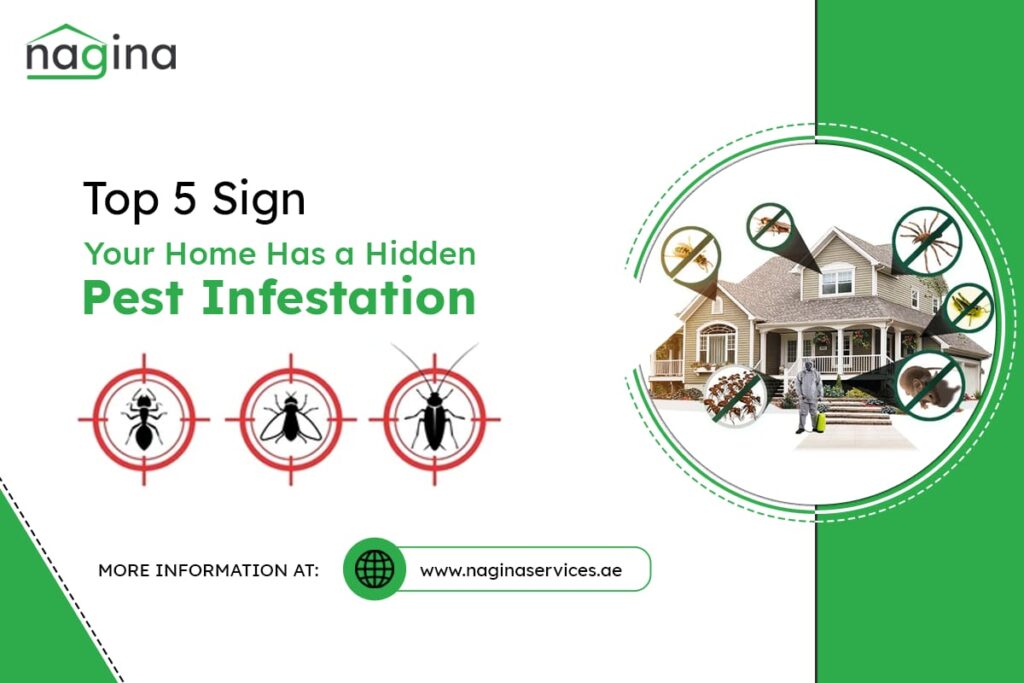
Pests are sneaky. They don’t constantly make their presence obvious until the damage is achieved. Even as you may now not see cockroaches crawling inside the kitchen or pay attention to rodents running inside the partitions every day, that doesn’t imply your home is pest unfastened. Many infestations stay hidden for weeks or maybe months before owners note. By using them, the hassle can emerge as plenty more difficult — and extra highly-priced — to fix.
Knowing the early caution signs can prevent principal harm and shield your circle of relatives’ fitness. Here are the 5 signs your private home may have a hidden pest infestation.
1. Strange Noises in the Walls or Ceiling
In case you listen to scratching, scurrying, or gnawing sounds, especially at night, you’ll be handling rodents like rats or mice. These pests are maximum lively in the dark and often nest in internal partitions, attics, or basements. Even small noises need to not be not noted — they could signal a developing infestation that calls for instant attention.
2. Droppings and Unpleasant Odors
Pest droppings are one of the clearest signs of hidden interest. Rodent droppings are usually small and darkish, at the same time as cockroach droppings seem like coffee grounds or black pepper. Along with droppings, pests also depart at the back of strong, unpleasant odors. As an instance, Rodent have a musty urine smell, whilst cockroaches release an oily, pungent smell that spreads during the residence. If you notice uncommon smells that don’t leave with cleaning, it could be a sign of infestation.
3. Unexplained Property Damage
Have you ever located chewed wires, holes in meals packaging, or gnawed fixtures? These are traditional indicators of pests at paintings. Rodents bite constantly to keep their enamel from growing too long, and they don’t spare wires, wood, or plastic. Termites, alternatively, silently devour away at wood furnishings and systems, regularly leaving hole-sounding wood or mud tubes at the back of. Small symptoms of harm today can grow to be huge restore payments the next day if overlooked.
4. Pest Sightings
Spotting a cockroach or rodent won’t look like a big deal, however pests are rarely on my own. Most pests conceal themselves during the day, so in case you see them in the open, probabilities are that the infestation is already severe. In addition, seeing dead bugs close to windowsills, basements, or in the back of fixtures is a sturdy indication that a larger colony is close by.
5. Allergic reactions or Health issues Getting Worse
Every now and then, the signs of pests display up in your health before you spot them in your own home. Elevated allergy signs, respiration troubles, pores and skin rashes, or common food infection will be connected to pests like cockroaches, bed bugs, or rodents. These pests carry bacteria, shed pores and skin, and go away droppings that affect indoor air high-quality and usual health.
Why You should Act fast
A hidden infestation will now not go away on its very own. In fact, pests multiply quickly, turning a small problem into a chief problem inside weeks. Past health worries, pests can harm furniture, weaken constructing systems, and contaminate food resources. The sooner you come across and act on these symptoms, the easier and greater fee-powerful the answer might be.
Conclusion:
Your own home must be a safe and relaxed area — no longer a hiding location for pests. By way of being attentive to noises, odors, droppings, and diffused harm, you may trap infestations early. However, to certainly protect your property and loved ones, professional pest control is the neatest preference.
Professionals like Nagina Pest Control understand which pests disguise and a way to stop them before they spread. Don’t wait until it’s too late — guard your property nowadays with reliable pest control company