
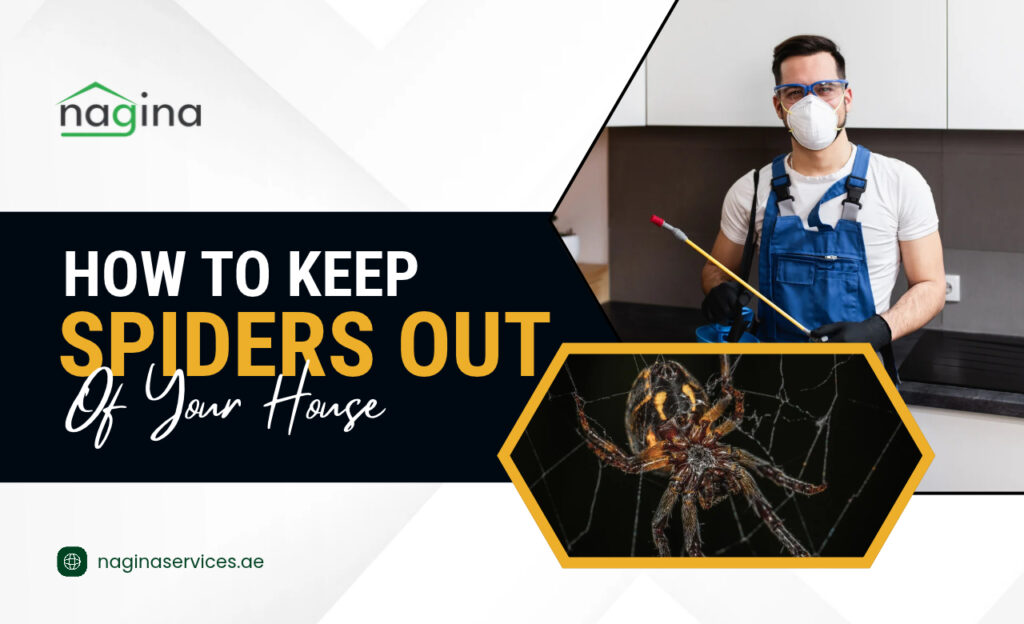
Finding a spider in the corner of your living room, behind the curtains, or inside a cupboard is never a pleasant surprise. Most house spiders in Dubai are harmless, but nobody wants webs on the ceiling, egg sacs behind the sofa, or a surprise on the bathroom floor at night.
Spiders come indoors for the same reasons as everyone else: shelter, cooler air, and food. In summer, when the outdoor heat becomes extreme, air-conditioned homes look like the perfect hiding place. A few simple habits make your home far less attractive to them.
Here we will cover the practical steps that actually work, from sealing entry points to controlling the insects that spiders feed on:
Already Have a Spider Problem? Contact the Professionals
If spiders have already settled in your home, with webs returning after cleaning, egg sacs in hidden corners, or sightings every day, the quickest fix is professional help. Nagina Services provides trained Professional spider pest control in Dubai for homes, offices, and commercial properties.
Their technicians find the hiding spots, treat the infested areas safely, and give you advice to prevent the spiders from coming back. If your home is still mostly spider-free and you want to keep it that way, the steps below will help you.
1. Seal Cracks, Gaps, and Entry Points
Spiders can enter through gaps much smaller than you would expect.
Walk around your home and check the places where they usually slip in:
- Gaps around window frames and door frames
- Cracks in walls and skirting boards
- Openings around AC pipes and cable entry points
- Damaged weather strips at the bottom of doors
- Holes around bathroom and kitchen pipes
Seal small gaps with silicone sealant and larger ones with filler or foam. Replace worn door sweeps and weather strips. This one step stops spiders and also many of the insects they feed on, so it is the best starting point.
2. Fit Window Screens and Door Sweeps
Screens keep both spiders and flying insects out while you still enjoy fresh air during the cooler months. Check that every window and balcony door has a screen with no tears, and repair any damaged mesh immediately. A small hole is all a spider needs.
Door sweeps are just as important. A gap under the main door or balcony door is an open invitation. Fit a sweep that touches the floor, and test it by turning the lights off in the room and looking for any light shining through from outside.
3. Reduce the Insects That Spiders Feed On
Spiders follow food. If your home has flies, mosquitoes, ants, or cockroaches, spiders will arrive to hunt them. Cutting the insect population is one of the most effective ways to remove the spiders without touching them.
Keep food covered, wipe crumbs and spills, take the rubbish out daily, and clean pet bowls after meals. Fix leaking taps and dry wet areas, since moisture attracts small insects. A kitchen and bathroom with no easy food or water leaves spiders with nothing to hunt.
4. Clear Clutter and Organise Storage
Spiders love quiet, undisturbed spaces. Piles of boxes, old newspapers, shoes, bags, and stored clothes make perfect hiding spots, especially in store rooms, balconies, and under beds.
Declutter these areas and move to clear plastic storage boxes with tight lids instead of cardboard. Keep items off the floor and a little away from the wall. When you take down stored items, shake them out before bringing them into the living area, because spiders and egg sacs can travel inside boxes.
5. Vacuum and Remove Webs Regularly
Regular cleaning disturbs spiders and removes egg sacs before they hatch. Once a week, vacuum the corners of ceilings, behind furniture, under beds, around windows, and inside wardrobes. Use a long attachment to reach high corners, and empty the vacuum into a sealed bag outside.
Do not just brush away a web and walk off. Spiders rebuild quickly, so remove the web fully and wipe the spot with a damp cloth. If you find a small round egg sac, vacuum it right away, because one sac can release dozens of spiders.
6. Manage Outdoor Lights and Plants
Bright white lights attract insects at night, and spiders gather around them to feed. Switch outdoor lights near doors and windows to warm yellow bulbs, which draw fewer insects, and turn them off when you do not need them. Close curtains at night so indoor light does not pull insects toward the glass.
In villas and townhouses, look at the garden. Trim plants, shrubs, and palms so that branches do not touch the walls or the windows, because plants make a bridge for spiders to walk into the house. Remove dead leaves, wood piles, and rubbish from around the walls.
7. Try Natural Repellents with Realistic Expectations
Many people use peppermint oil, vinegar, or citrus sprays around windows, door frames, and corners. Spiders dislike strong smells, so these can discourage them for a short time. Mix a few drops of peppermint oil with water in a spray bottle and spray the entry points once a week.
Keep your expectations realistic. Natural repellents do not remove spiders that are already inside, and the smell fades in a few days, especially in warm rooms. Use them as an extra layer of protection together with sealing and cleaning, not as the only plan.
8. Check What You Bring Inside
Spiders often enter hidden in things you carry in. Check delivery boxes, grocery bags, second-hand furniture, potted plants, and luggage before you place them in the living area. Open boxes outside the house if you can, and shake out bags and plant pots before bringing them in.
This habit matters even more after a trip, when suitcases sit in a storage room for weeks. A quick check at the door can save you from a spider that would otherwise settle in a quiet cupboard.
Get Rid of Spiders for Good: Book Your Spider Control Today
Sealing, cleaning, and controlling insects will keep most spiders away, but a stubborn infestation needs a professional response. If you keep finding webs, egg sacs, or spiders in different rooms, do not wait for the problem to grow.
Nagina Services offers safe and effective spider treatment for homes, villas, offices, and commercial spaces across Dubai. Their trained technicians inspect every corner of your property, find the hiding spots, and remove the spiders using methods that are safe for your family and pets.
After the treatment, the team also shares simple advice to keep spiders from returning, so your home stays clean and comfortable.